A finished coil alone hides most of the review path. This authorized project record connects repeated helical geometry, end interfaces, completed physical assemblies, and packaging. One dimensioned drawing remains internal and is not included in the public Gallery.
Buyer Decision Context
Use this record when preparing an RFQ that must connect overall coil geometry, repeated turns, end orientation, interfaces and required verification. The visible sequence helps expose missing inputs; it does not establish fluid, pressure or leak performance.
- RFQ guide:
/en/dfm-checklist-before-quote/— mark geometry, end interfaces, material intent and acceptance evidence. - Evidence guide:
/en/physical-product-prototype-testing/— define dimensional, fit, functional or compliance evidence separately.
Project Evidence
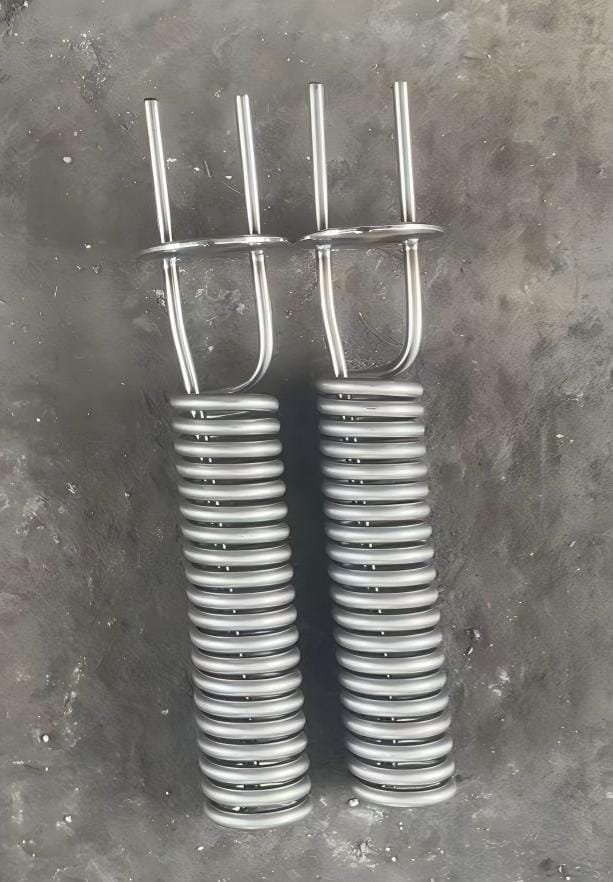
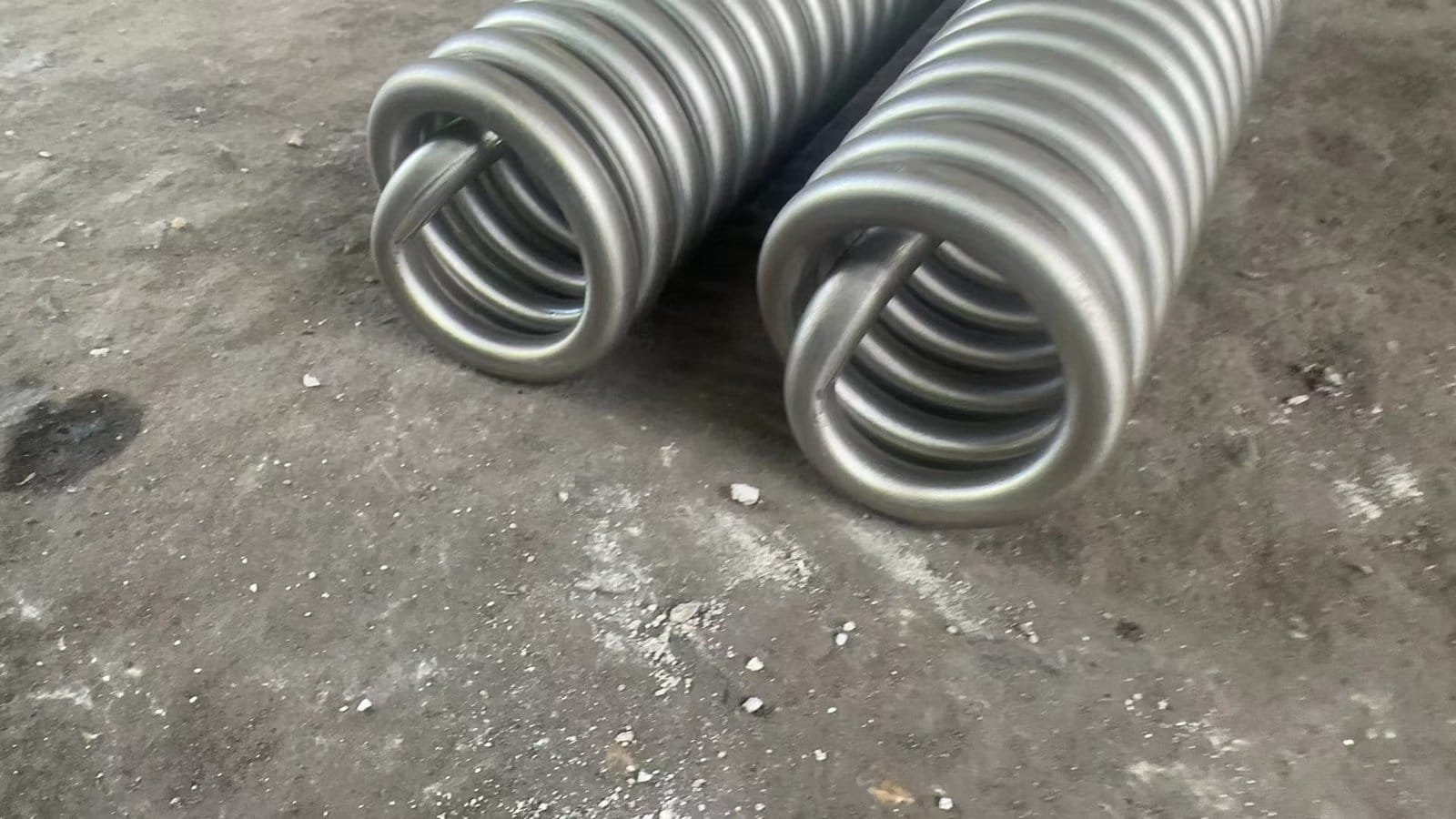
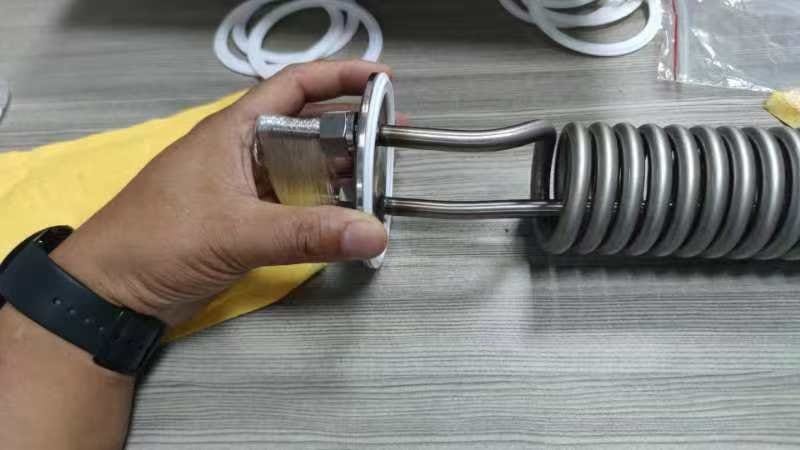
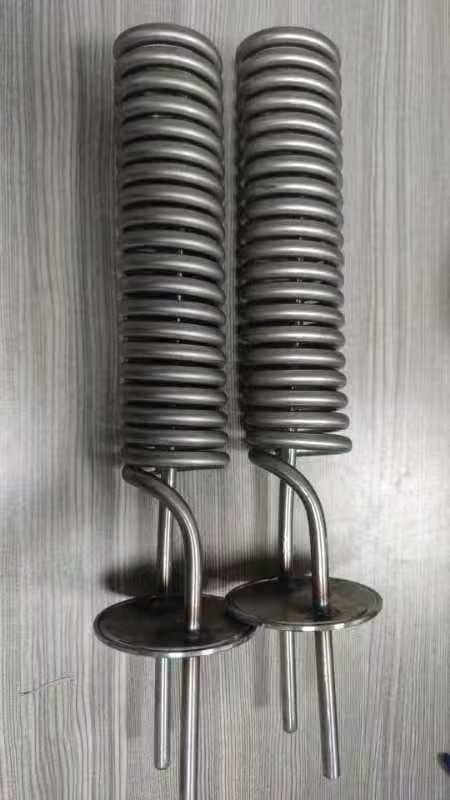
The internal evidence set includes a dimensioned technical drawing, which is excluded from the public Gallery because it contains technical labels and dimensions. The public physical views show repeated turns, overall coil shape, and straight end sections from several angles.
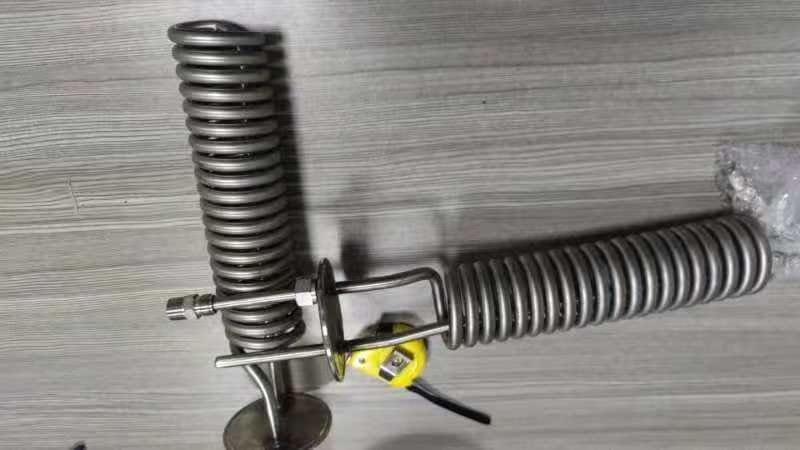
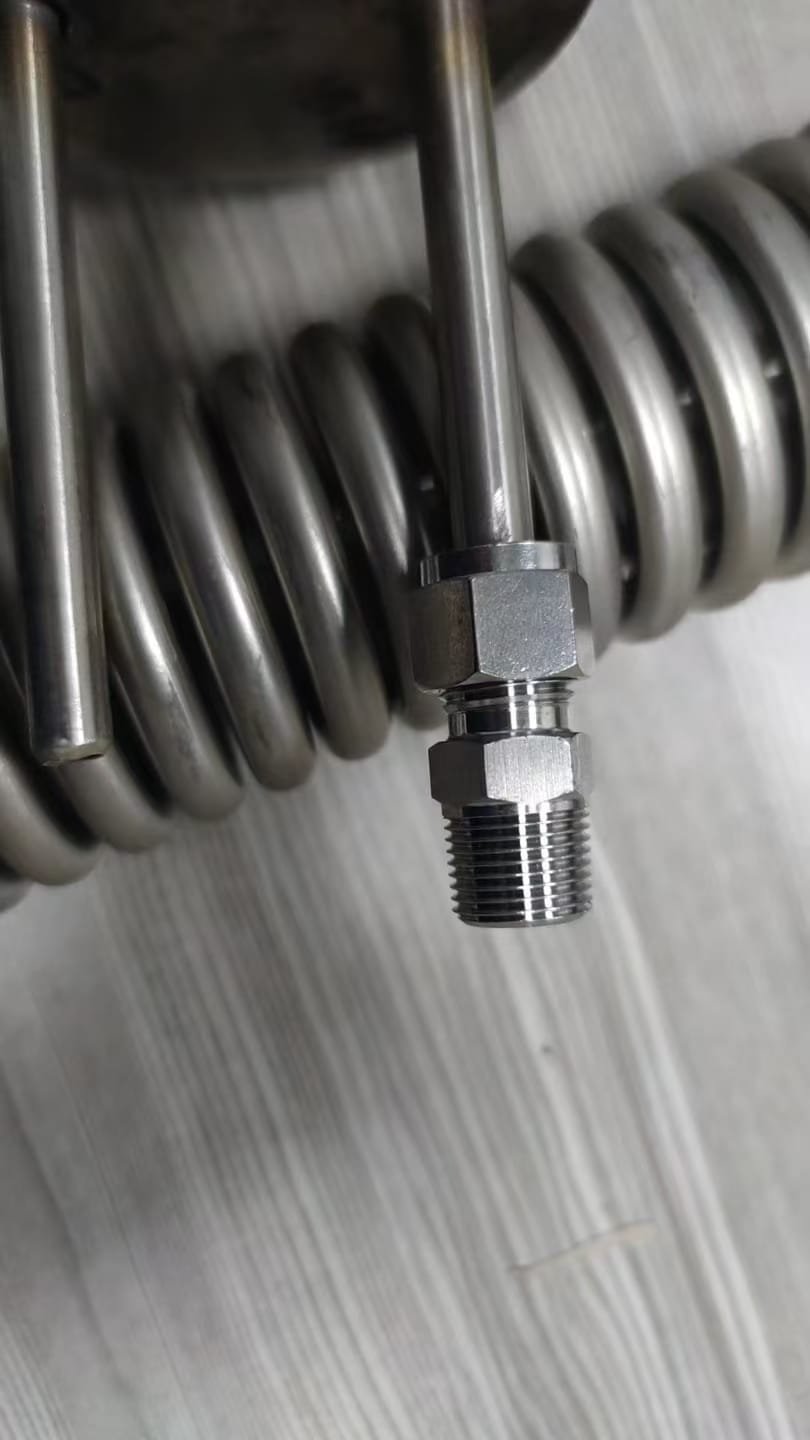
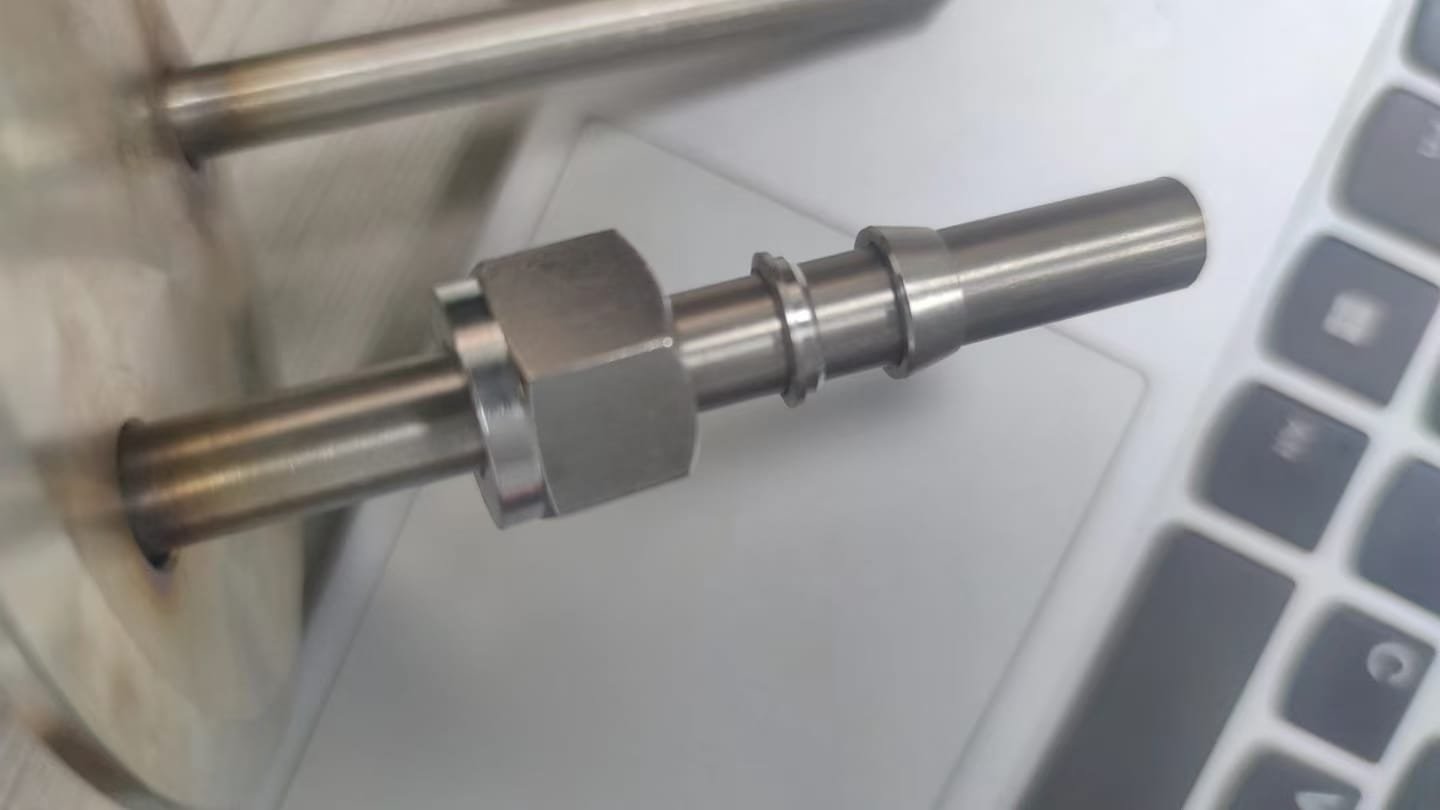
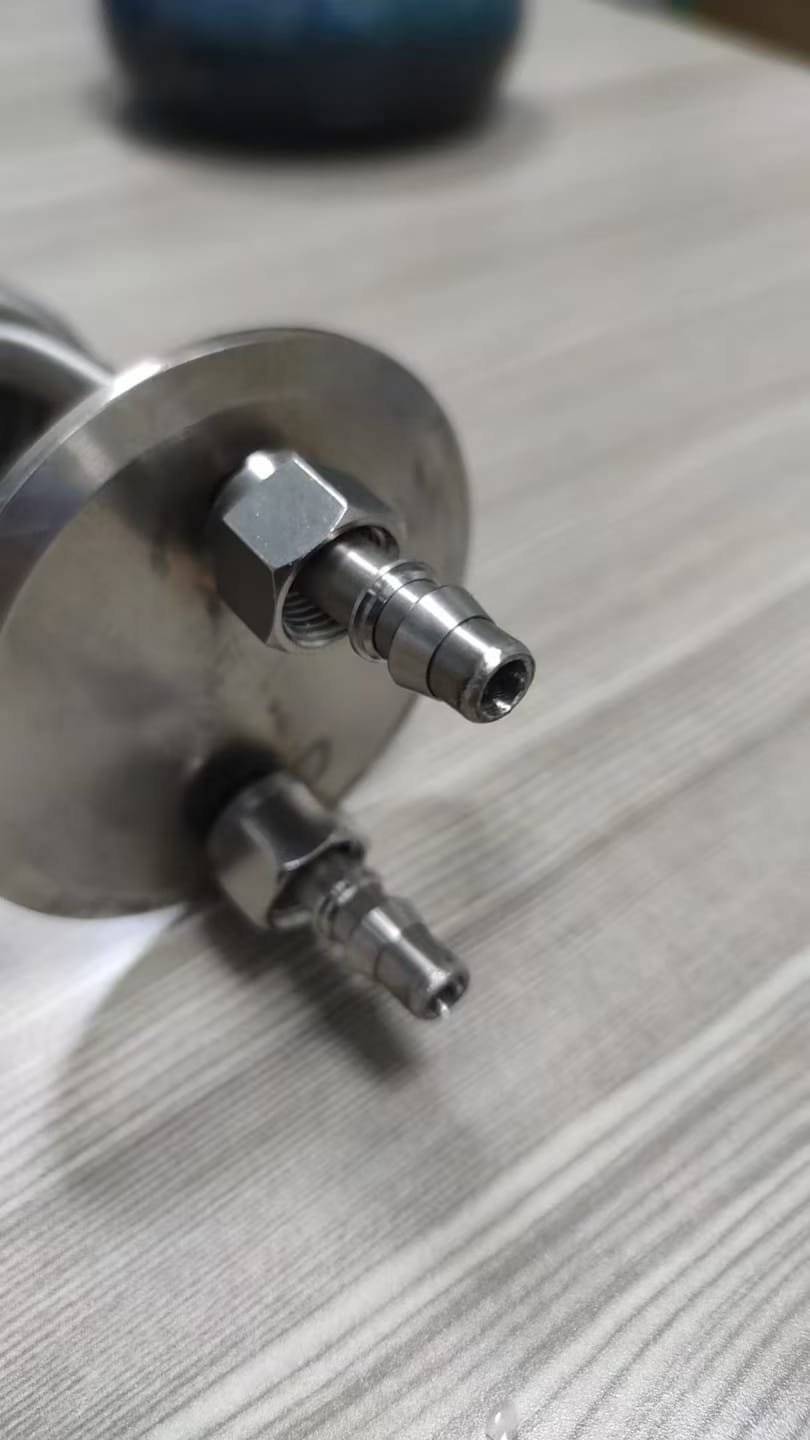
A second group of photographs shows attached end hardware and local connection areas from different angles. These views make the relationship between the coil body and its interfaces available for visual review.
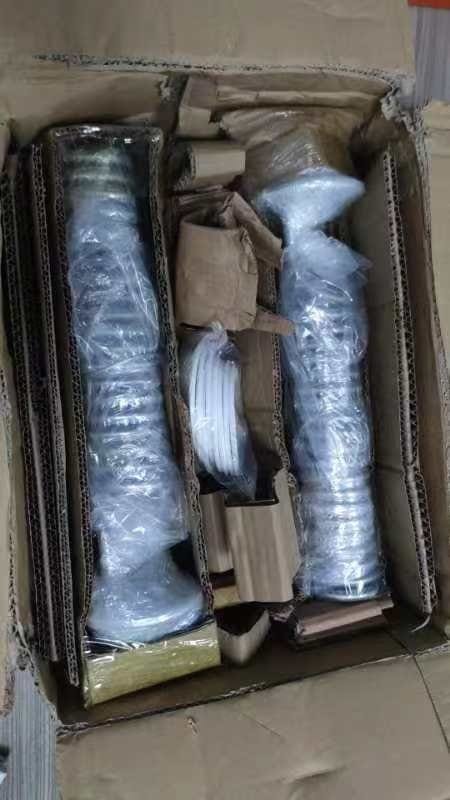
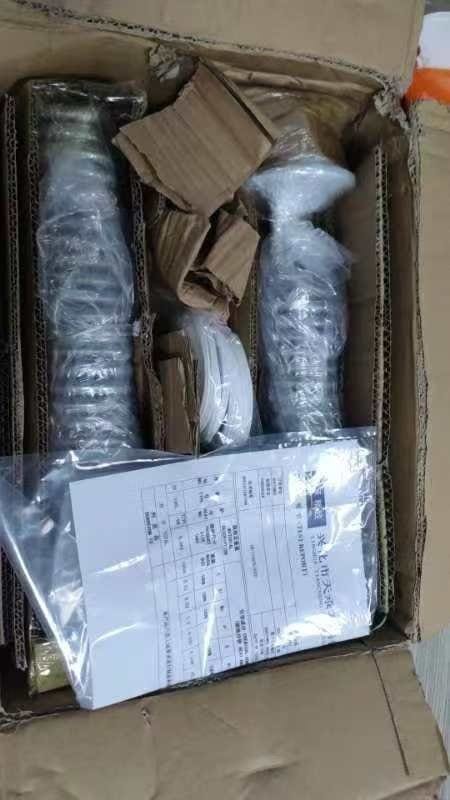
The remaining photographs show completed physical assemblies and packaged parts. Together, the sequence provides a visible chain from communicated geometry to formed parts, interfaces, and packing.
Engineering Context
Tube-forming guidance treats bend radius, springback, local flattening, and repeatability as practical controls because forming can alter both the path and cross-section of a tube. For a helix, small deviations may accumulate across repeated turns and shift the end position. Public reference: Swagelok, Hand Tube Bender Manual.
If a tube assembly will carry fluid, its application requirements should define the required material, joining specification, dimensional acceptance, and any pressure or leak test. ASME B31.3 is an example of a public code framework addressing process piping, but the visual record does not establish that this project was made or accepted to that code. Public reference: ASME, B31.3 Process Piping.
Documented Result
The documented public result is a visible sequence linking helical tube forms, end connections, completed assemblies, and packaged parts. The internal drawing establishes provenance but is not published.
Evidence Note
The available record verifies only the visible drawing view, geometry, interfaces, physical assemblies, and packaging. It does not establish material identity, wall thickness, forming method, joining specification, pressure rating, pressure or leak performance, flow performance, quantity, lead time, customer application, certification, or code conformance.
CTA
Get Quote — Send the drawing and state the tube material, outside diameter, wall thickness, connection specification, working medium, pressure requirement, and required verification method.
Project Gallery